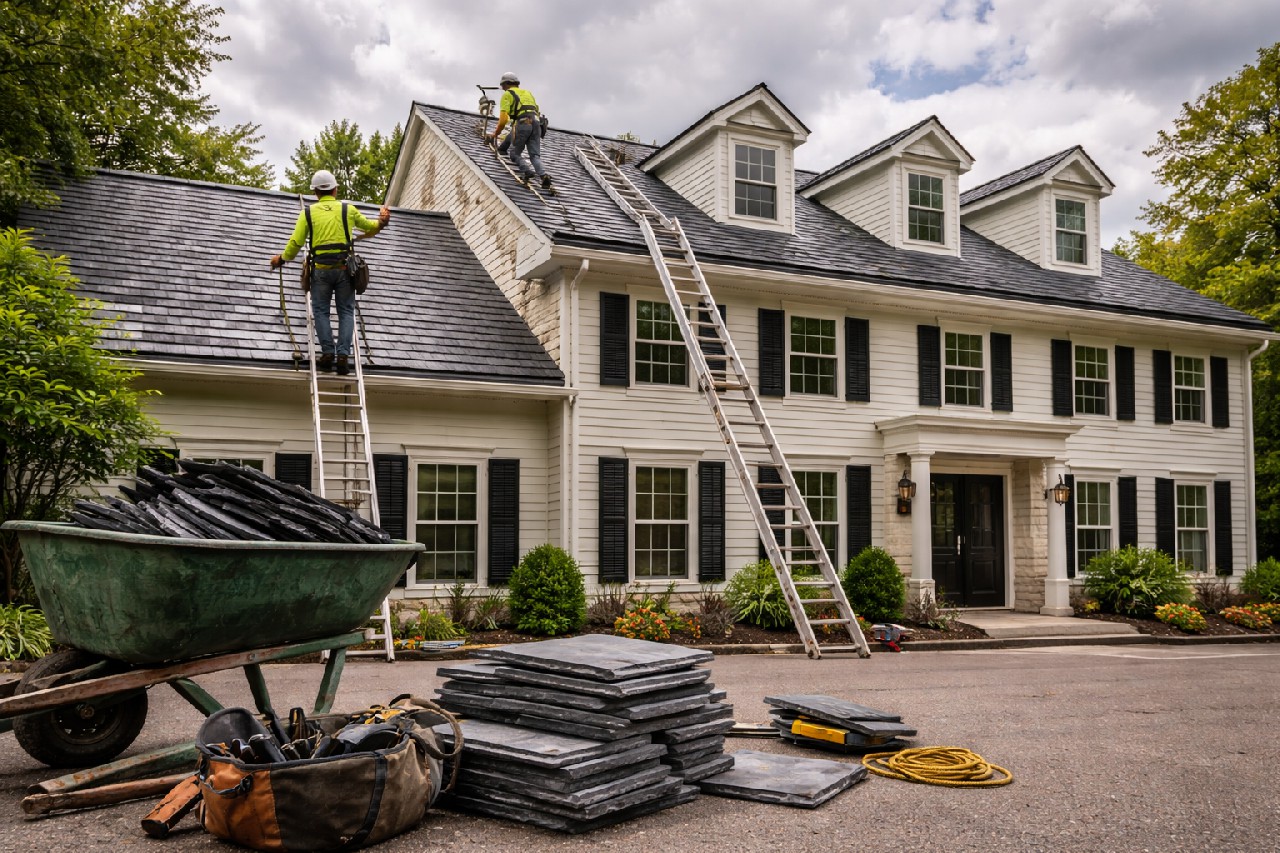


⚡ TL;DR: This roof inspection checklist guides LA homeowners through tools, exterior and interior checks, and local threats like sun, wind, quakes, and trees to spot damage early.
📋 What You’ll Learn
In this essential guide for LA homeowners, you’ll learn a step-by-step roof inspection checklist to spot damage from sun, wind, quakes, and more, ensuring your home stays protected and secure.
- Master tools and safety gear needed for safe LA roof checks, from harnesses and ladders to binoculars, helping you inspect confidently without risking falls or oversights.
- Spot exterior shingle and tile damage like cracks, missing pieces, or granule loss caused by intense sun and debris, preventing small issues from becoming costly leaks.
- Inspect flashing, vents, and edges around chimneys and skylights for rust, gaps, or wear, key areas where water intrusion starts in windy LA conditions.
- Detect attic and interior red flags such as stains, mold, or sagging ceilings that signal hidden leaks or structural problems before they worsen.
- Navigate LA-specific roof threats from earthquakes, palm fronds, high winds, and UV degradation, with tips and a real Echo Park case study for proactive protection.
📖 Reading time: 7 min
✍️ Author expertise: LA roofing pro with 20+ years of hands-on inspections tackling sun, quakes, and wind damage.
Ever wake up to a puddle in your bedroom after a rare LA downpour, staring at water stains spiderwebbing across the ceiling?
That's the nightmare hitting thousands of homeowners here, where scorching sun cracks shingles, Santa Ana winds rip off tiles, and sneaky quake damage hides until it's too late.
Your roof isn't just overhead protection. it's your first line of defense against skyrocketing repair bills.
Grab this no-BS checklist tailored for LA roofs, and spot trouble before it costs you a fortune.
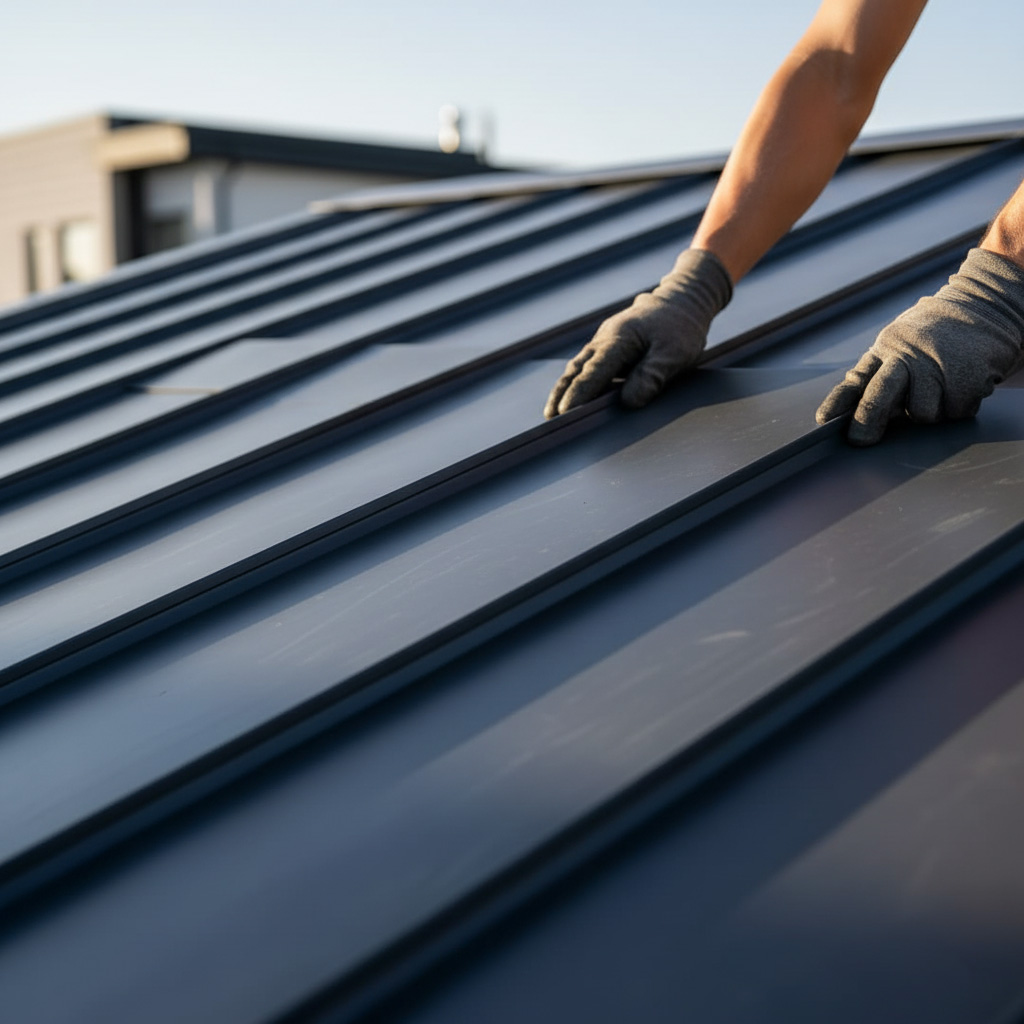
Essential Tools and Safety Gear for LA Roof Inspections
Before you climb up there, stock up right. Skip the guesswork with gear that spots leaks fast and keeps you from tumbling off.
LA heat turns roofs into ovens. Grab tools that handle 100-degree scorchers without failing.
Tools You Need Right Now
- Sturdy extension ladder: Pick one rated for your weight plus tools. Lock it firm every time.
- Binoculars: Check high spots from the ground. No ladder risks on steep pitches.
- Flashlight and headlamp: Peer into dark vents and under eaves.
- Moisture meter: Beeps at hidden water. Cheap ones start at $20.
- Digital camera or phone: Snap proof for pros later.
Safety Gear That Saves Your Skin
- Hard hat: Blocks falling debris or loose tiles.
- Non-slip work boots: Grip those sun-baked slopes.
- Heavy gloves: Shield hands from sharp edges and tar.
- Full-body harness with rope: Anchor to a solid point if heights freak you out.
- First-aid kit: Stock it with bandages for inevitable scrapes.
Pro tip: Inspect early morning. Cooler temps mean safer footing. Never go solo if the roof's slick or steep.
Step 1: Exterior Shingle, Tile, and Surface Damage Check
Start on the ground with binoculars. Scan the whole roof slope for obvious issues. Missing pieces mean leaks waiting to happen.
Shingle Roofs: Spot the Killers Fast
- Curling or cupping edges – baked by LA sun, they lift and invite wind damage.
- Granule loss – bald patches show asphalt wearing thin; check gutters for black grit piles.
- Cracks or blisters – heat expansion gone wrong, prime for water entry.
Climb up if safe. Poke soft spots with a putty knife. They signal rot underneath.
Tile Roofs: LA's Favorite, But Tricky
Concrete or clay tiles crack easy from quakes or tree falls. Look for shifted or broken ones.
- Chips on edges – windblown debris culprit.
- Loose tiles rattling in breeze – nail pops from thermal shifts.
- Algae or moss streaks – rare here, but signals poor drainage.
Measure gaps between tiles. Anything over a quarter inch? Water sneaks in during those winter rains.
Step 2: Flashing, Vents, Chimneys, and Edge Inspections
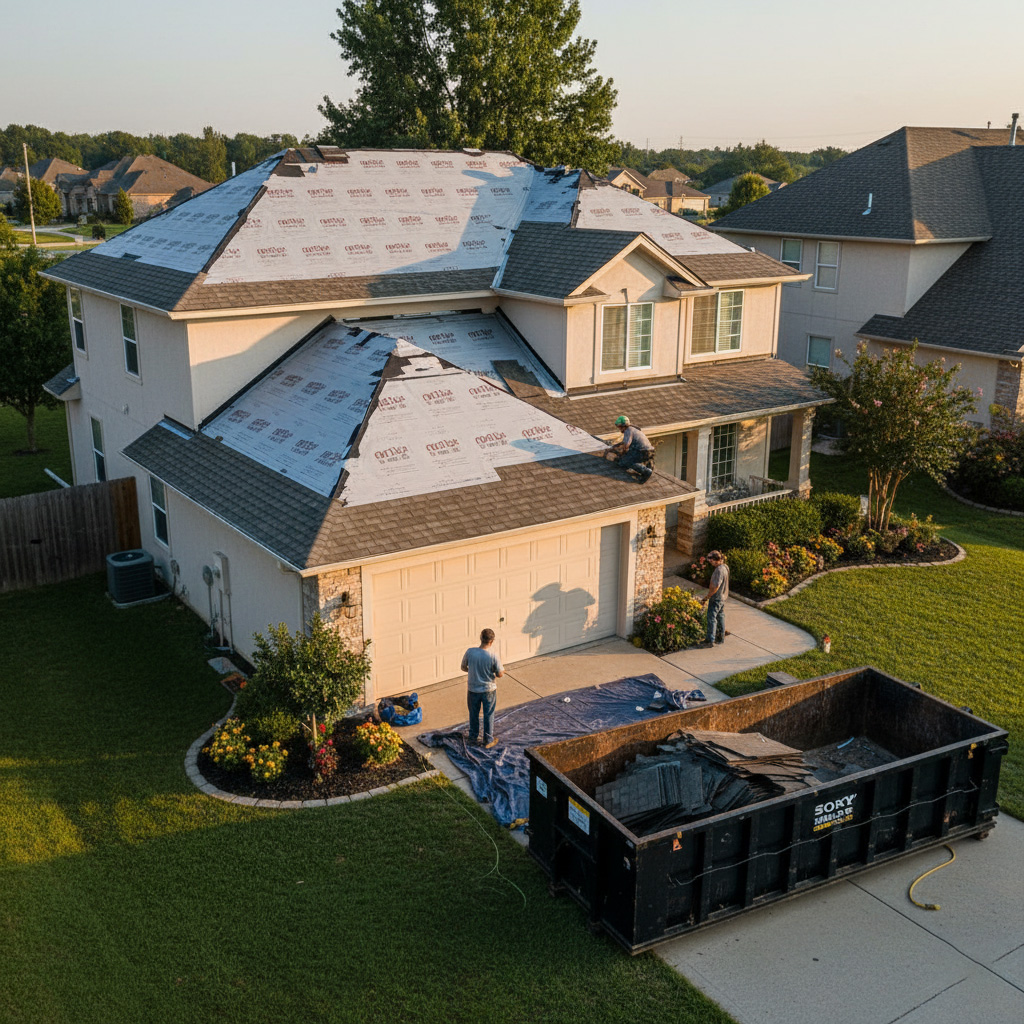
Flashing seals the spots where your roof meets walls, valleys, or protrusions. Miss a crack here, and LA's next rain turns your attic into a swimming pool. Start low on the roof. Probe every metal strip with a putty knife.
Quick Flashing Red Flags
- Lifted or missing pieces around dormers.
- Rust streaks from poor seals.
- Gaps wider than a credit card.
Those Santa Ana winds love prying at loose flashing. Tighten or replace on sight. One overlooked seam cost a Hollywood Hills client $15K in water damage last year.
Shift to vents, chimneys, and edges next. Vents need clear screens, no cracks in surrounds. Chimneys? Hunt for crumbling mortar or tilted stacks, quake favorites.
Edges demand attention too. Rake and drip edges should hug shingles tight. Frayed underlayment? That's your cue to call pros before wind strips the whole row.
Step 3: Interior Attic and Ceiling Warning Signs
Head up to your attic next. Skip this, and you miss the smoking gun of roof failure. Bring a flashlight. Probe gently with a stick. Never step on insulation alone.
Attic Red Flags That Scream Trouble
- Daylight peeking through cracks or holes.
- Dark water stains on rafters or sheathing.
- Mold or musty smells anywhere.
- Sagging beams or joists.
- Granules from shingles piled below.
Spot any? Your roof's leaking bad. Call pros before rot spreads.
Ceiling Clues You Can't Ignore
- Brownish stains spreading outward.
- Bubbles or peeling paint.
- Cracks running parallel to roof lines.
- Sagging drywall sections.
These hit after leaks sneak in. Check every room. Snap photos for your records.
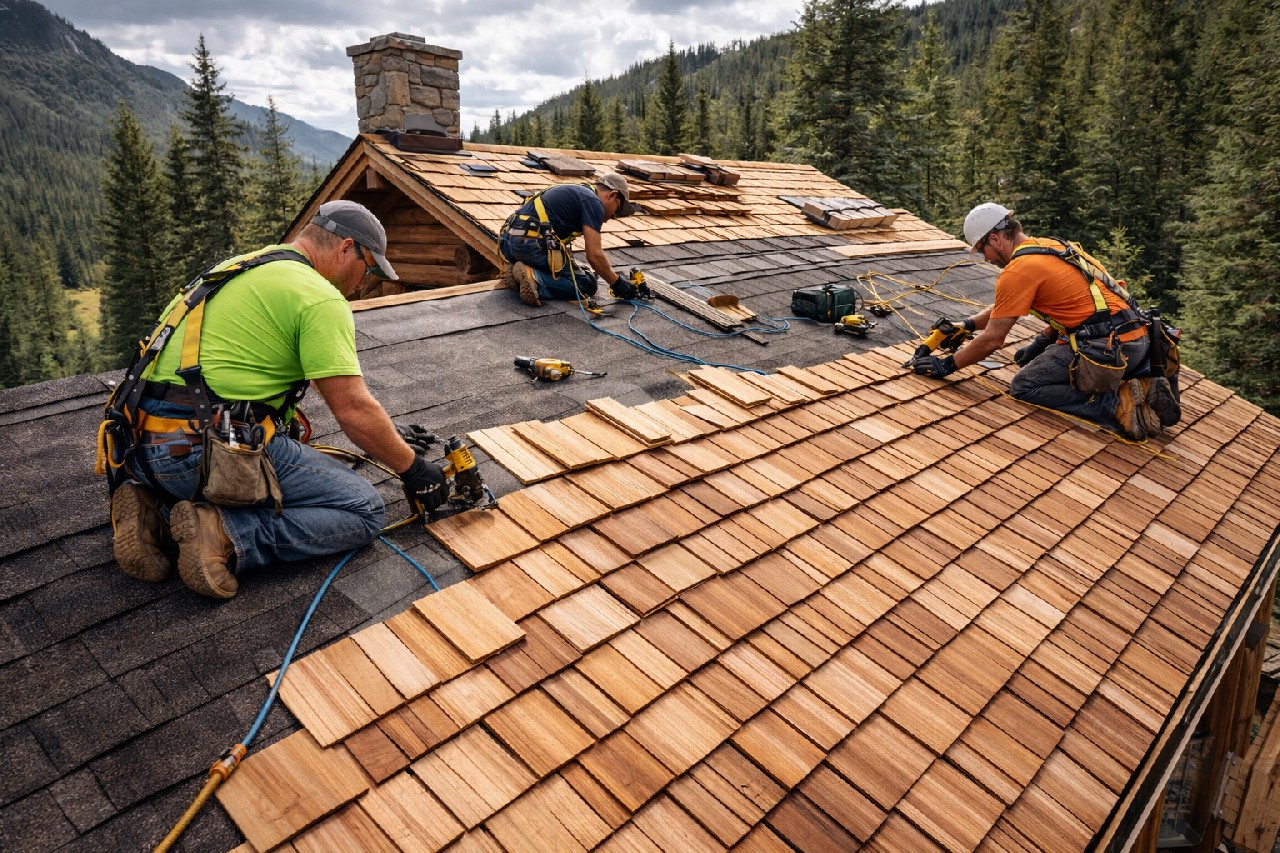
LA-Specific Threats: Sun, Wind, Quakes, and Tree Hazards
Los Angeles roofs take a beating from local forces most places never see. Think relentless UV rays baking shingles brittle. Or gusts ripping loose tiles during fire season winds.
Sun-Scorched Shingles
Our endless sunshine hits roofs harder than anywhere. Granules wash off, leaving asphalt exposed and cracking. Check for curling edges or bald spots – early signs of failure.
- Fade to gray? UV damage confirmed.
- Brittle to touch? Replacement time.
- Soft spots? Heat trapped underneath.
Santa Ana Winds and Quake Shakes
Those hot Santa Anas clock 60+ mph, lifting edges and popping nails. Earthquakes? They shift everything subtle, cracking underlayment without a visible trace. Probe for loose flashing or shifted seams after any tremor.
Tree Branches: Silent Roof Assassins
Tall palms and eucs drop fronds like bombs in windstorms. Rubbing branches grind away granules over time. Spot saw marks or embedded debris – prime leak starters.
Trim back overhangs now. Ignore it, and you're funding our emergency crew later.
Case Study: How We Caught Hidden Quake Damage in Echo Park
Meet Maria in Echo Park. She called us after a 4.2 tremor rattled her 1950s bungalow. No obvious cracks outside, but her attic felt off during our climb-up.
We spotted it right away. Shifted rafters pressing against clay tiles, tiny fissures in the underlayment. Water would pour in next rain without a peep.
Key Red Flags We Uncovered
- Chimney leaning 1/4 inch off-plumb from quake flex.
- Loose flashing around skylight, grinding from aftershocks.
- Granule loss on south-facing shingles, masking the real threat below.
Maria dodged a $25K tear-off. We patched it for $4K. Her roof stands quake-ready now.
Quakes hit LA every few months. Skip this check? You're betting your house.
Final Thoughts
Spotting roof issues early saves you from LA's brutal surprises. Use this checklist monthly during dry spells. Catch cracks before they leak.
Don't DIY everything. If you see red flags like loose flashing or attic dampness, call pros right away. Check our Roof Inspection page for a free quote tailored to your neighborhood.
- Schedule that inspection today.
- Protect your biggest asset.
- Avoid the five-figure regret.
LA roofs take a beating. Stay ahead. Your home deserves it.
People Also Ask
How often should Los Angeles homeowners inspect their roofs?
LA homeowners should inspect their roofs at least twice a year—once in spring and once in fall—to catch issues from sun exposure, wind, and seasonal debris. After major events like earthquakes, high winds, or heavy rains, schedule an immediate check. Professional inspections provide thorough assessments that DIY checks might miss, ensuring long-term roof health.
What are common signs of roof damage specific to LA's climate?
Look for cracked or curling shingles from intense UV rays, missing granules from sun and wind erosion, and loose tiles from seismic activity. Tree debris accumulation and flashing damage around vents are prevalent due to LA's urban greenery and Santa Ana winds. Interior signs like ceiling stains or attic mold often indicate hidden leaks worsened by dry heat cycles.
Can I perform a roof inspection myself in Los Angeles?
Yes, basic exterior checks are feasible with safety gear like ladders, gloves, and non-slip shoes, focusing on visible damage to shingles, flashing, and edges. However, climbing onto steep LA roofs poses fall risks, especially with quake-weakened structures. For comprehensive safety, hire certified local roofers who navigate LA-specific hazards like palm fronds and seismic vulnerabilities.
What should I check in my attic during a roof inspection?
Examine for water stains on rafters, mold growth, or daylight visible through the roof sheathing, signaling leaks. Check insulation for dampness and ensure proper attic ventilation to combat LA's hot, dry air buildup. Professional tools like moisture meters reveal issues invisible to the naked eye.
How do earthquakes affect roofs in Los Angeles, and what to inspect?
Quakes can shift tiles, crack flashing, or loosen chimney mortar, leading to hidden leaks that worsen with rain. Inspect for displaced shingles, gaps around penetrations, and structural cracks immediately after seismic events. In areas like Echo Park, our team has identified subtle quake damage preventing costly future repairs.

Los Angeles Roofing specializes in residential and commercial roofing services with over 20 years of hands-on experience in the field. The team delivers expert installations, repairs, and maintenance tailored to the unique demands of Los Angeles weather and architecture. Deeply rooted in the local community, Los Angeles Roofing serves homeowners and businesses throughout the greater LA area.
Need Roofing?
Fast roof repairs and replacements in Los Angeles, CA and nearby areas deliver leak-proof protection and full coverage in days. (90001, 90012, 90024, 90028, 90069)
Get Roof Quote